- Home
- Products
- News
- Application
- Solution
- About Us
- Contact Us
Leave Your Message
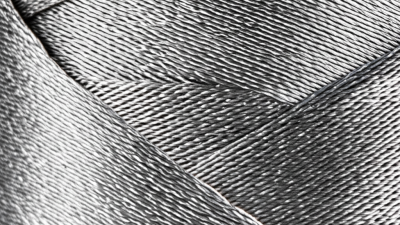
In the fast-changing world of technical Textiles, the use ofMetal fiber Cotton Mixed Yarnhas really started to shake things up. It’s kind of a big deal because it’s pushing innovation and boosting performance in a bunch of different industries. Recent reports suggest that the global market for high-performance Yarns is expected to grow quite a bit—something like a5.7% compound annual growth rate from 2023 to 2028. Most of this growth comes from the rising need for advanced materials that boost durability, strength, and functionality, whether it's in cars, healthcare, or other fields.
Here at SHIJIAZHUANG 3L TECHNOLOGY CO., LTD., we’ve been around since 2009, and over the years, we’ve really positioned ourselves as leaders in this space. Our focus on developing groundbreaking technical textiles, especially Metal Fiber Cotton Mixed Yarn, isn’t just about meeting expectations—it’s about surpassing them. We’re proud to be part of this innovation wave and to have earned a solid reputation in high-performance textiles worldwide.
Metal fiber cotton mixed yarn really is shaking things up in the textile world. It’s this cool blend that connects the old-school softness of cotton with the nifty tech stuff of metal fibers. I mean, it’s pretty amazing how it can upgrade all sorts of fabrics, whether you’re talking about comfy clothes or high-tech gear. One of the neat things is that these metal fibers are conductive, so they’re basically paving the way for smart textiles — think wearable tech that can actually respond to what’s happening around you. Pretty wild, right?
And it’s not just about fancy gadgets. This kind of yarn is also catching on in industrial settings where toughness and heat resistance are super important. These blends are tough as nails — they hold up really well and don’t wear out easily. That makes them perfect for protective gear in hazardous workplaces. Plus, they offer some extra safety perks, like electromagnetic shielding, which comes in handy in sectors like foodservice and healthcare.
As more folks get wind of how versatile and durable this stuff is, it’s a safe bet that top-quality metal fiber cotton mixed yarn will see even more demand — becoming a real staple in both fashion and practical applications.
Driving innovation in advanced materials often hinges on the strategic application of specialized fibers, such as 10μm ~ 40μm pure nickel fiber. This unique material is engineered through a sophisticated combination of processes, including surface treatment, bundling, drawing, and electrochemical separation, resulting in a fiber that not only boasts a large specific surface area but also exhibits remarkable tensile strength and excellent flexibility. These characteristics position pure nickel fiber as a frontrunner in high-performance applications across various industries.
The exceptional properties of nickel fiber make it highly suitable for a multitude of advanced applications, from electronics to aerospace. Its high tensile strength ensures durability in demanding environments, while the flexibility of the fiber allows for versatile integration into complex configurations. Moreover, the large specific surface area enhances its performance in applications that require efficient energy transfer or chemical reactivity, making it a valuable asset in advanced material solutions. As industries increasingly seek to leverage innovative materials, the role of pure nickel fiber will undoubtedly continue to expand, driving advancements that may redefine performance standards in high-tech settings.
: Metal fiber cotton yarn enhances the aesthetic appeal of textiles and offers functional benefits such as improved durability, heat resistance, and conductivity, making it suitable for various home textile products.
This innovative blend enables the creation of temperature-regulating bed linens and energy-efficient upholstery, aligning with the rising demand for smart textiles.
Manufacturers should maintain a balance between metal and cotton fibers for softness, stay updated on color and design trends, and understand their target market's preferences to effectively market these products.
Sustainability is crucial due to the textile industry's environmental impact, and consumers are increasingly making purchasing decisions based on eco-friendly practices.
Manufacturers are adopting eco-friendly practices such as reducing waste, enhancing resource efficiency, sourcing from certified organic farms, and using renewable energy sources.
Incorporating metal fibers enhances the durability of textiles and provides features like improved thermal insulation and electromagnetic shielding.
Consumers can opt for products from brands that prioritize sustainability, engage with those that transparently share their sustainability efforts, and stay informed about brand practices.
According to the Global Sustainability Report 2022, 70% of textile manufacturers are investing in sustainable technologies.
There has been a significant decrease in water usage by 40% among manufacturers adopting sustainable practices in the textile industry.
Key practices include implementing closed-loop water systems, sourcing raw materials sustainably, and using renewable energy for production processes.